• A North Lancashire Railway Album

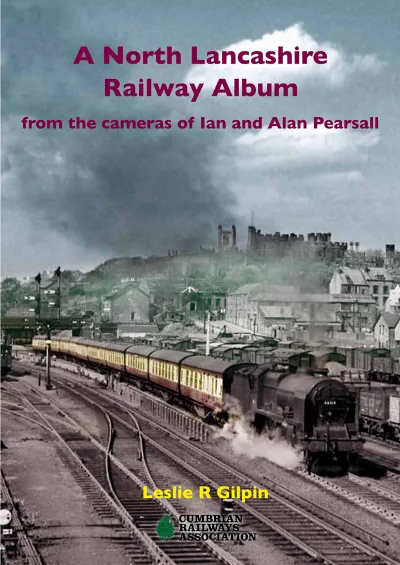
    A North Lancashire Railway Album

    The railways in the Lancaster area, in the 1940s, 50s and 60s, were a mix of main Line, cross country and local lines carrying a fascinating selection of trains. Following on from his earlier compilation, A Cumbrian Railway Album, Leslie Gilpin has brought together a further selection of photographs illustrating these lines from the cameras of brothers Alan and Ian Pearsall. The brothers were keen on the railways of the area and captured both the commonplace and the unusual, often with an artistic eye on the surrounding landscape. The photographs cover the period from around 1945 through to the end of steam in 1968 and illustrate steam, early diesel and electric trains of the time. Some of the shipping activity in and around Heysham Harbour is also captured. The geographic area covered is the West Coast Main Line from north of Garstang & Catterall to Carnforth, the ‘little’ North Western line from Settle Junction to Morecambe and Heysham and the various branch lines in between.

    A North Lancashire Railway Album will appeal equally to the railway enthusiast, whether the interest is in the railways in North Lancashire, trains of the British Railways steam era or railways in general. The photographs are accompanied by informative captions and clear coloured maps of the area covered.

    112 pages
    Art board cover
    229 illustrations
    ISBN 978-0-9570387-3-8
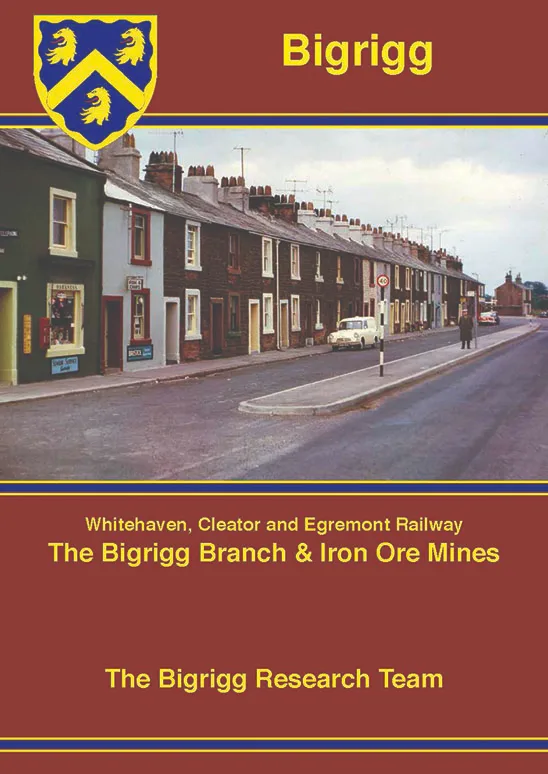
  • Bigrigg

    Bigrigg

    by The Bigrigg Research Team

    The book covers a fascinating area of West Cumbria that has had little written about it. Situated between Whitehaven and Egremont few people today will be aware as to how important Bigrigg was during the Industrial Revolution, that its output of minerals was so important to the local economy and expansion of the area. The book delves into the past to bring the present alive and helps our understanding of the current topography of the area. It is amazing to see just how complicated the pits and railways were.

    Within the space of little over 1 square mile, there were over 40 pits in Bigrigg, and the vast majority were rail connected. Now, there are very few traces of this once busy scene. The history of this is complicated by the multiplicity of land owners, mineral rights owners, mine owners and mine lessees. This book details the extensive research which has been undertaken to unravel this history and relate the story of this branch and its mines.

    With numerous maps, photographs of both the area in its heyday and showing what remains today along with extracts from historical documents.

    112 pages
    Laminated card cover
    Illustrated
    ISBN 978-0-9570387-7-6
  • Dalton-In-Furness

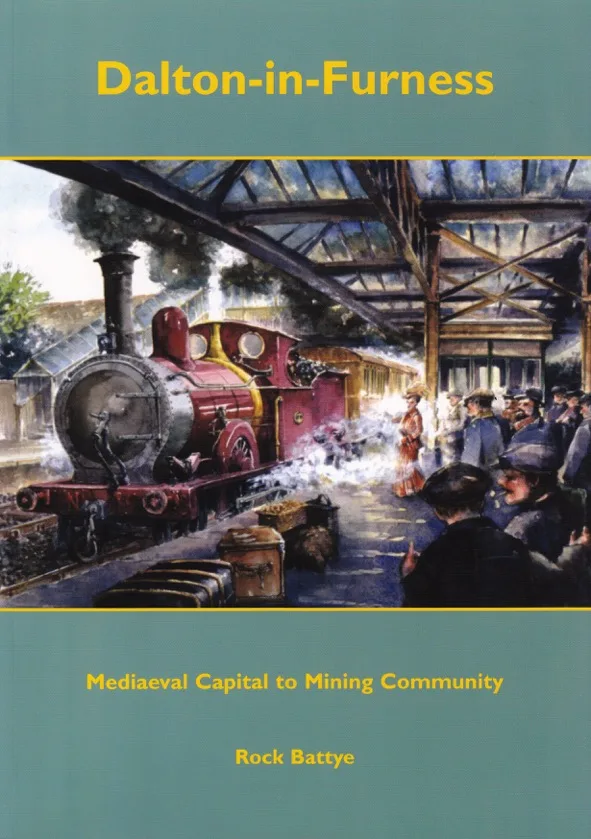
    Dalton-In-Furness

    MEDIAEVAL CAPITAL TO MINING COMMUNITY by Rock Battye

    Part of the ‘Cumbrian Communities and their Railways’ series.

    Located at the heart of the Furness Peninsular in Cumbria, Dalton-in-Furness first developed as the administrative centre of the area within the domain of the great Abbey of Furness. The Abbey, with its estates across the north of England and in Ireland, developed the town and took advantage of the area’s mineral assets, especially the rich hematite ore. Following dissolution of the Abbey, Dalton’s importance diminished as an administrative centre but local entrepreneurs continued to mine the rich ore. By the start of the nineteenth century this was a lucrative business and mines were opened up all around the town.

    In this book, written by Furness Railway enthusiast and native of Dalton, Rock Battye. We learn how local landowners were persuaded to provide a railway – the Furness Railway whilst the Mine owners eventually replaced their carts with narrow and standard gauge tramways.

    We learn of how these developments led to a renaissance in the town through the nineteenth century and how it, and the local railways changed with collapse of the local mining industry. Rock describes these changes, bringing the story of the town and its railways up to the present day.

    Dalton-in-Furness will appeal equally to the railway enthusiast, local historian, industrial archaeologist and those interested in this lesser known part of the English Lake District. It is well illustrated throughout with photographs, drawings and plans.

    64 pages

  • Introduction to the Railways of Cumbria

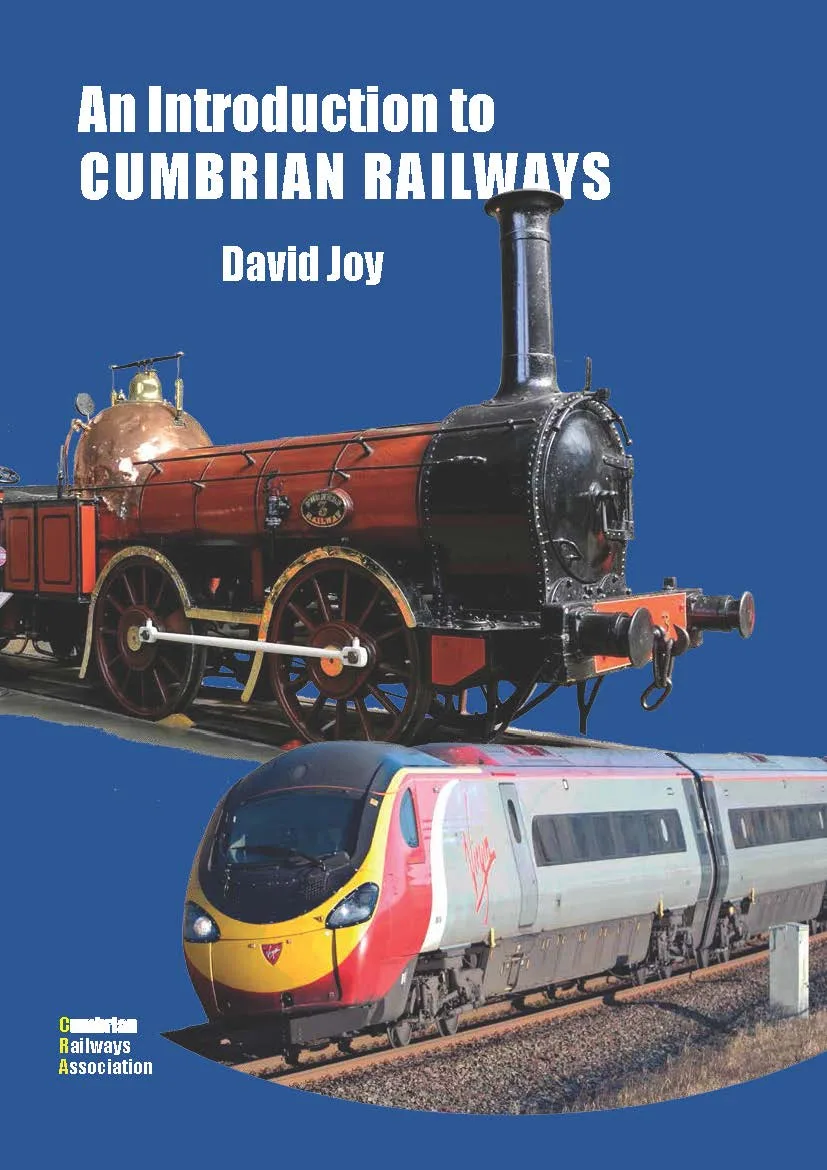
    Introduction to the Railways of Cumbria

    by David Joy

    Authored by David Joy, the well-known railway historian and writer, the book is aimed at those who want to learn more about the railways in the County of Cumbria. With its comprehensive coverage of the history of Cumbrian railways, it will also be of interest to the more knowledgeable student of our local railways.

    Each railway line is covered, from the main trunk lines running through the County to the smaller railways that went to make up the network of lines serving local communities and businesses. The Industrial lines that served the County also receive comprehensive coverage.

    Basic information on the building of the railways and their subsequent development is included and each section is profusely illustrated by photographs and detailed maps.

    The book is topped off with a detailed bibliography for those that want to learn more.

    96 pages
    Laminated card cover
    Illustrated
    ISBN 978-0-9570387-5-2

  • Kendal Tommy

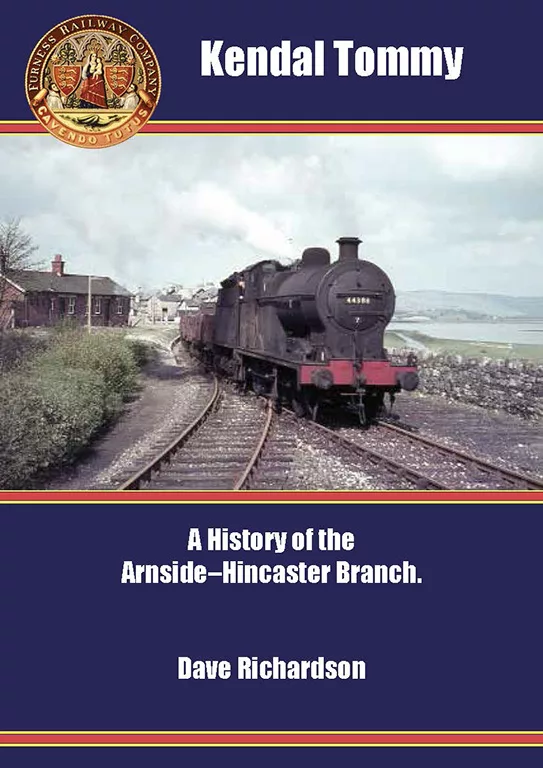
    Kendal Tommy

    A History of the Arnside-Hincaster Branch

    This book deals with the origins and history of the line between Arnside on the Furness Railway and Hincaster Junction on the LNWR. As well as having all the characteristics of a typical rural branch, the line was regularly used as a shortcut for excursion and special passenger trains as well as by coke trains running between the north east and the iron works of the Furness area.

    Within its 96 pages, the book provides extensive coverage of the services on the line, as well as the stations, sidings and signalling. Additionally, there is a dedicated chapter covering the quarry and lime works at Sandside. Profusely illustrated with photographs, maps and scale drawings of some of the structures.

  • Kingmoor

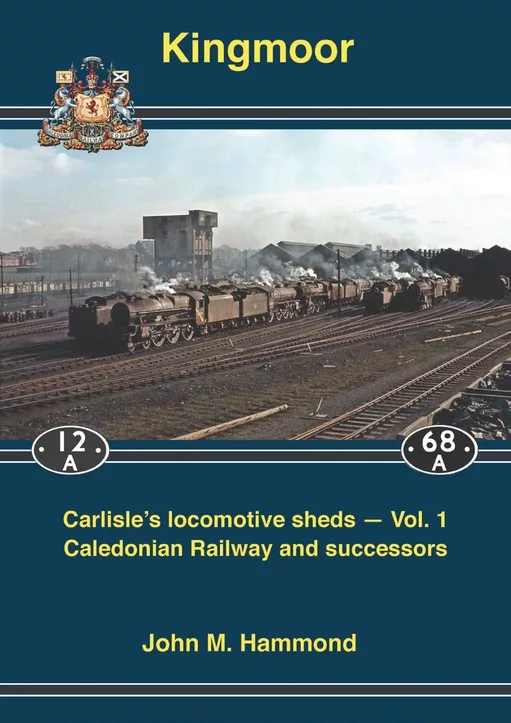
    Kingmoor

    Carlisle’s locomotive sheds – Vol. 1 Caledonian Railway and successors

    “Kingmoor” by John Hammond, is a thorough history of Kingmoor steam shed from its origins at Carlisle’s West Walls, through the move to Etterby and then renamed during the first World War to Kingmoor.

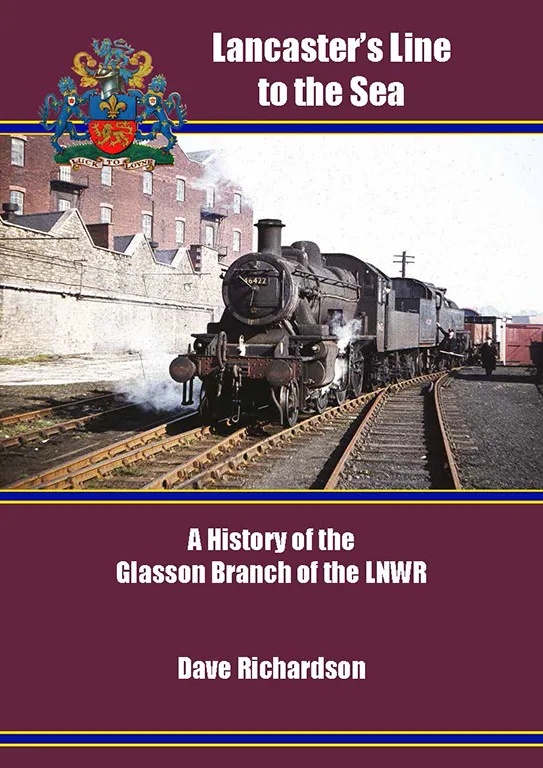
  • Lancaster’s Line To The Sea

    Lancaster’s Line To The Sea

    A History of the Glasson Branch by Dave Richardson

    For this publication, the Cumbrian Railways Association has moved slightly outside the geographical boundaries of Cumbria to examine the branch from Lancaster Castle Station to Glasson Dock. From 1883 when the line was opened, the operation of the port was in many respects a collaboration between the Lancaster Port Commissioners and the LNWR and the relationship between these two bodies is fully explored. The former dealt with all maritime matters, whilst the railway dealt with the loading and unloading of vessels and of course the movement of cargos by rail.

    In addition to serving the wet dock at Glasson, a siding from the branch served the river quay, situated upstream at Lancaster itself.

    Written by Dave Richardson, the book covers in detail the origins of the scheme, the construction of the branch and then its operation under the LNWR and its successors. There are also separate chapters on locomotives and passenger rolling stock and on signalling and train control.

    A significant amount of the information relating to the branch has been drawn from the records of the Lancaster Port Commissioners and this has helped to provide a detailed and unique insight into the story of the line and its operation. For most of the line’s existence, rail traffic at the Lancaster end was dominated by the activities of James Williamson & Son, linoleum manufacturers, who, by the eve of the Great War, commanded huge markets at home and abroad and in the British Empire. Williamson’s colossal Lune Mills sat alongside the branch and the firm’s archive has been examined with a view to providing a detailed account of its relationship with the railway.

    The publication is up to the usual high standard set by the CRA and is comprehensively illustrated with coloured maps, drawings and a large number of photographs. In particular, much use has been made of locally sourced images, many of which have not previously been published.

    88 pages
    Laminated card cover
    Illustrated
    ISBN 978-0-9570387-9-0
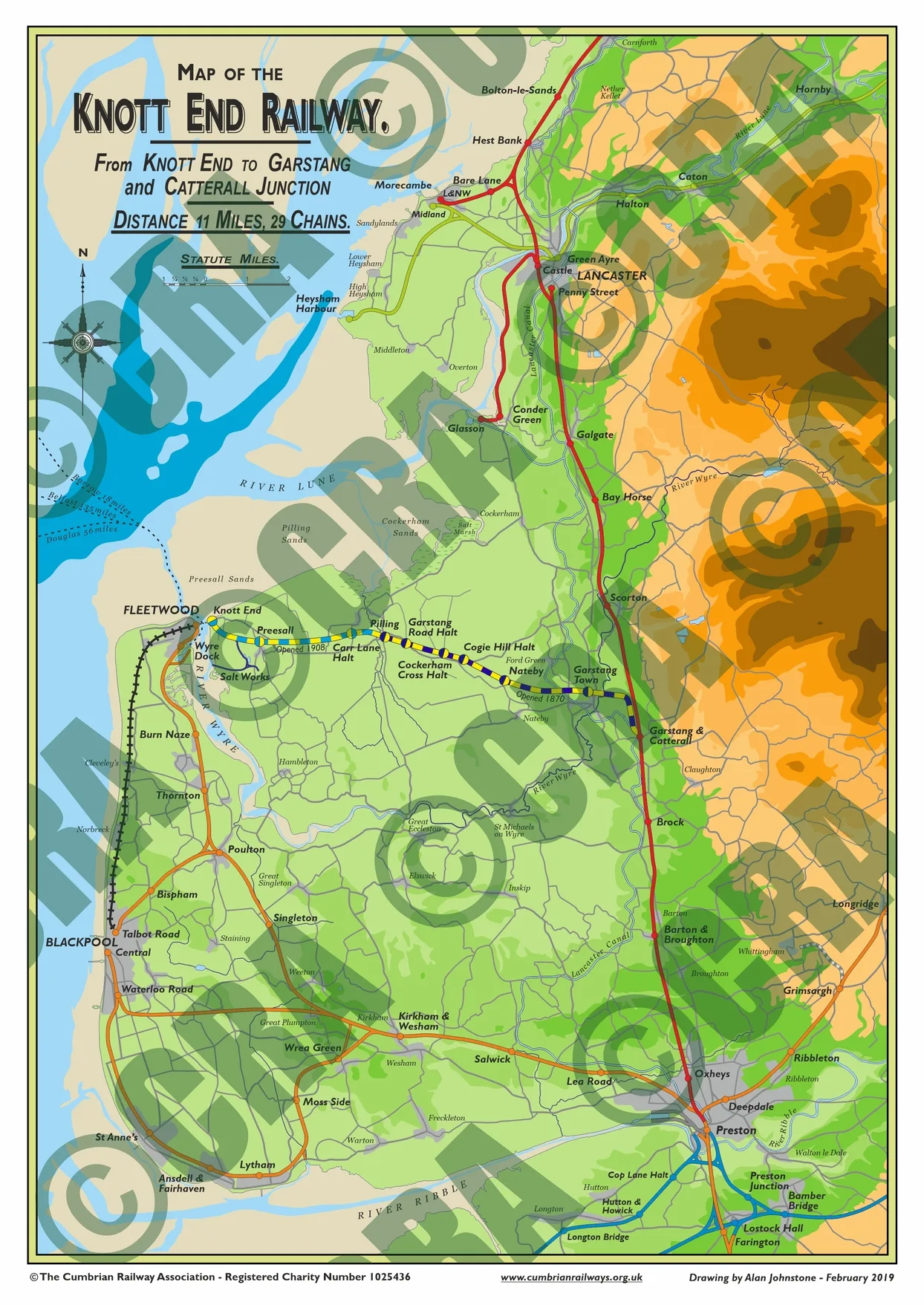
  • Map – The Garstang and Knott End Railway

    Map – The Garstang and Knott End Railway

    A2 Size (59cm x 42cm) – Full Colour – Printed on Non-Tear 200gsm Polypropylene
    High Resolution – No Watermark – High Quality – Durable – Waterproof – Matt finish
    Delivered in a Postal Tube

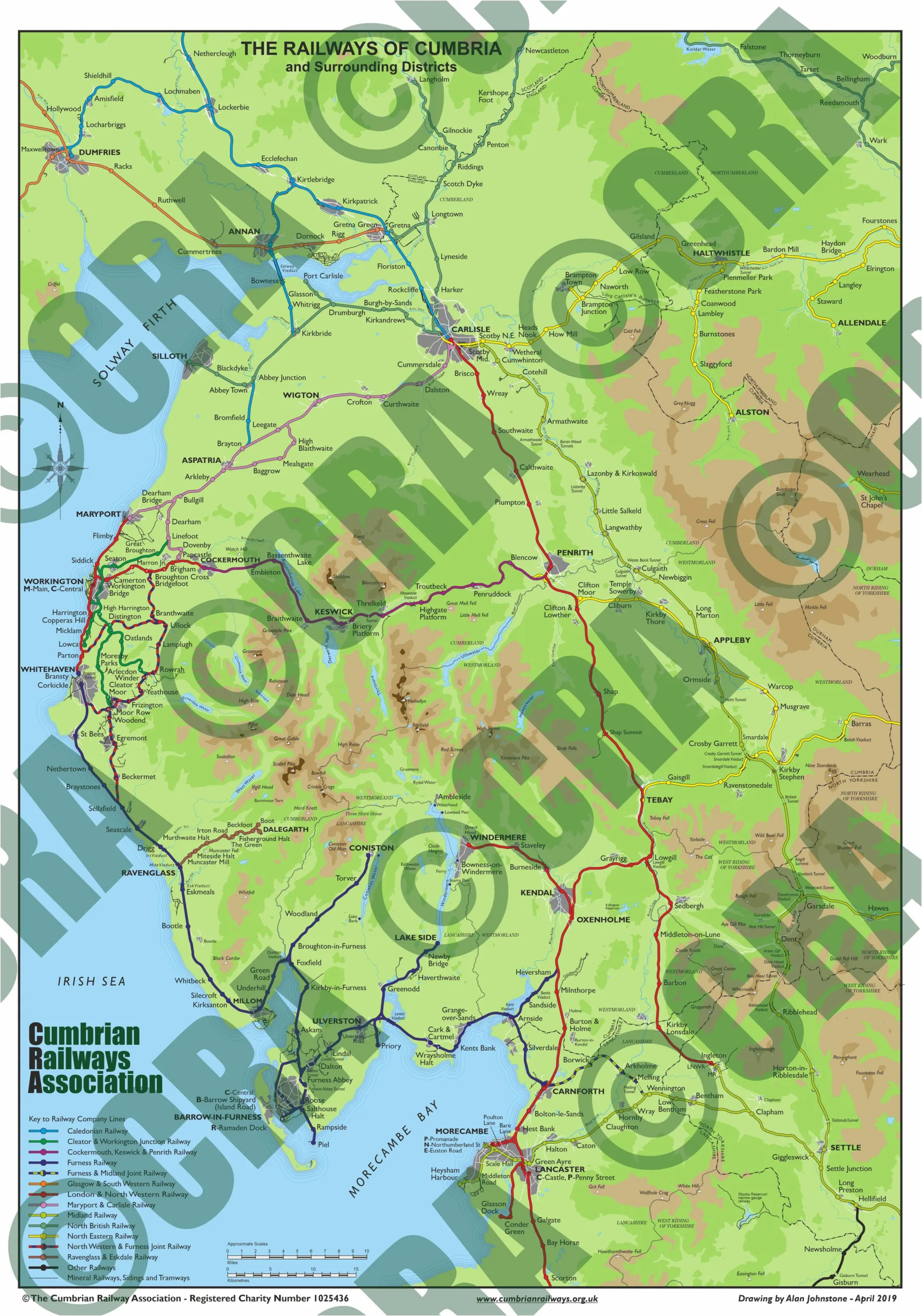
  • Map – The Railways of Cumbria and surrounding area

    Map – The Railways of Cumbria and surrounding area

    A2 Size (59cm x 42cm) – Full Colour – Printed on Non-Tear 200gsm Polypropylene
    High Resolution – No Watermark – High Quality – Durable – Waterproof – Matt finish
    Delivered in a Postal Tube

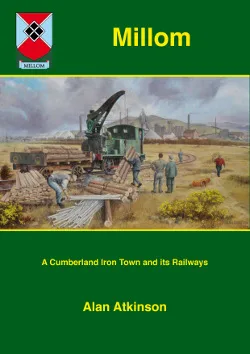
  • Millom

    Millom
    MILLOM – A CUMBERLAND TOWN AND ITS RAILWAYS
    by Alan Atkinson

    Uniform with the ‘Cumbrian Community’ series, this lavishly-illustrated book makes extensive use of full-colour printing; the many maps, drawings and photographs benefit from the new technology. The industrial systems at Hodbarrow and the ironworks are covered in detail, together with the Cumbrian Coat main line railway system from the Duddon to the Esk.

    Written by Alan Atkinson about his hometown, the book covers the heyday of iron ore mining and smelting through to the demise of both the industry and the town on that fateful day in 1968 with the mine and the iron works closing.

    This book has a wide appeal to those interested in industrial, railway and social history.

    112 pages
    Laminated card cover
    Illustrated
    ISBN 978-0-9570387-1-4
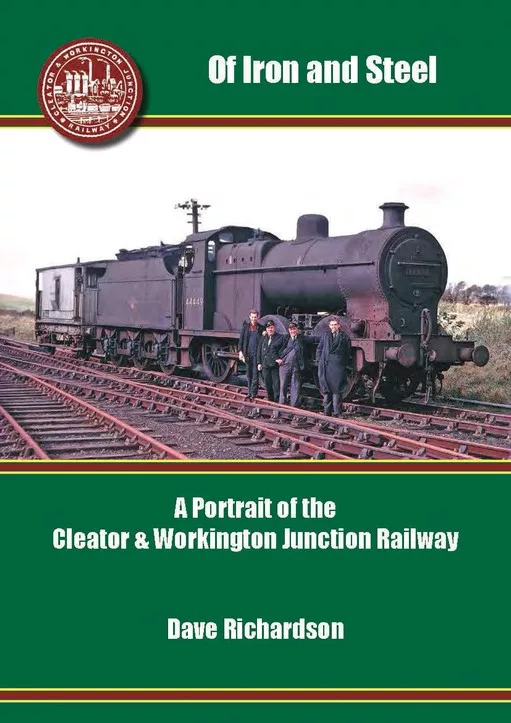
  • Of Iron and Steel

    Of Iron and Steel

    A Portrait of the Cleator & Workington Junction Railway.

    “Of Iron and Steel”, by Dave Richardson, modestly describes itself as a portrait of the Cleator & Workington Junction Railway. It is a thorough, authoritative and well illustrated history of the pivotal West Cumberland railway.

  • Oxenholme

    Oxenholme


    Photographs by Alec Mayor
    Compiled by John Pickup

    This book portrays the railway scene around Oxenholme, a busy junction station at the foot of the Westmorland fells on the West Coast main line, in the heyday of BR steam from 1957 through 1961.

    It looks to convey the many fascinations of train-working, and the daily challenges and goings-on that encouraged local enthusiast Alec Mayor to keep unique and detailed records of train operation and time-keeping.

    Later, Paul Irving compiled them into a narrative rich with his personal insights as a Carlisle train controller. Though express passenger trains are naturally at the centre of the story, local services, parcels and the many freight trains that passed north and south take their places too.

    Richly illustrated with Alec’s own photographs and images from the wider collections of the Cumbrian Railways Association, the book draws on Alec and Paul’s work to transport the reader back to enjoy the interest and excitement of those days again.

    As Ron Herbert, who spent some years early in his railway career as a train and traffic controller in Preston said, “It’s a superb read – reliving the railway as I remember it all those years ago. This was the real railway in action!”

    52 pages
    Laminated card cover
    Illustrated
    ISBN 978-1-914248-01-6

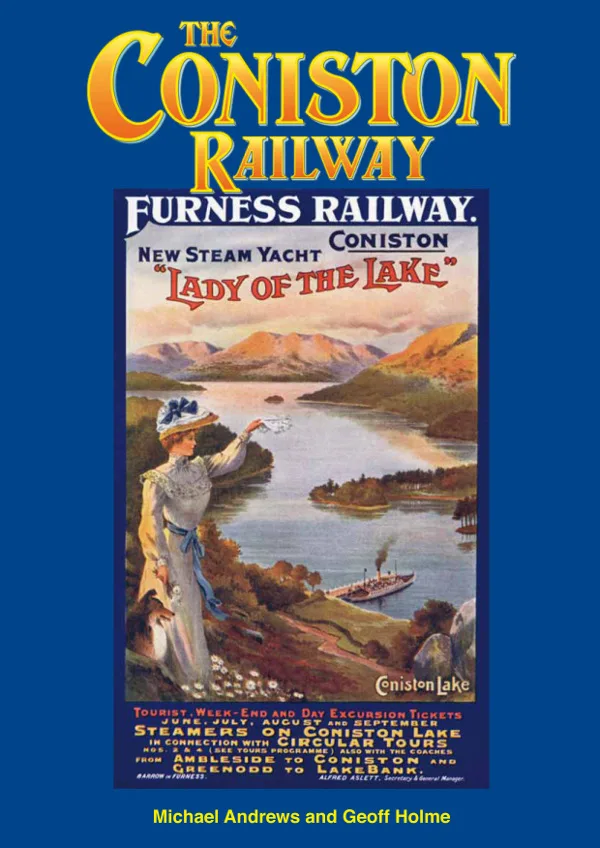
  • The Coniston Railway

    The Coniston Railway

    by Michael Andrews and Geoff Holme

    This ever-popular book is again in print.

    Minor additions and corrections have been included in this second impression and the story of Major Hext’s famous garden railway in the village of Coniston has been brought up to date.

    More detail on the lifting of the branch has also been included.

    64 pages
    Laminated card cover
    Illustrated
    ISBN 978-0-9570387-0-7

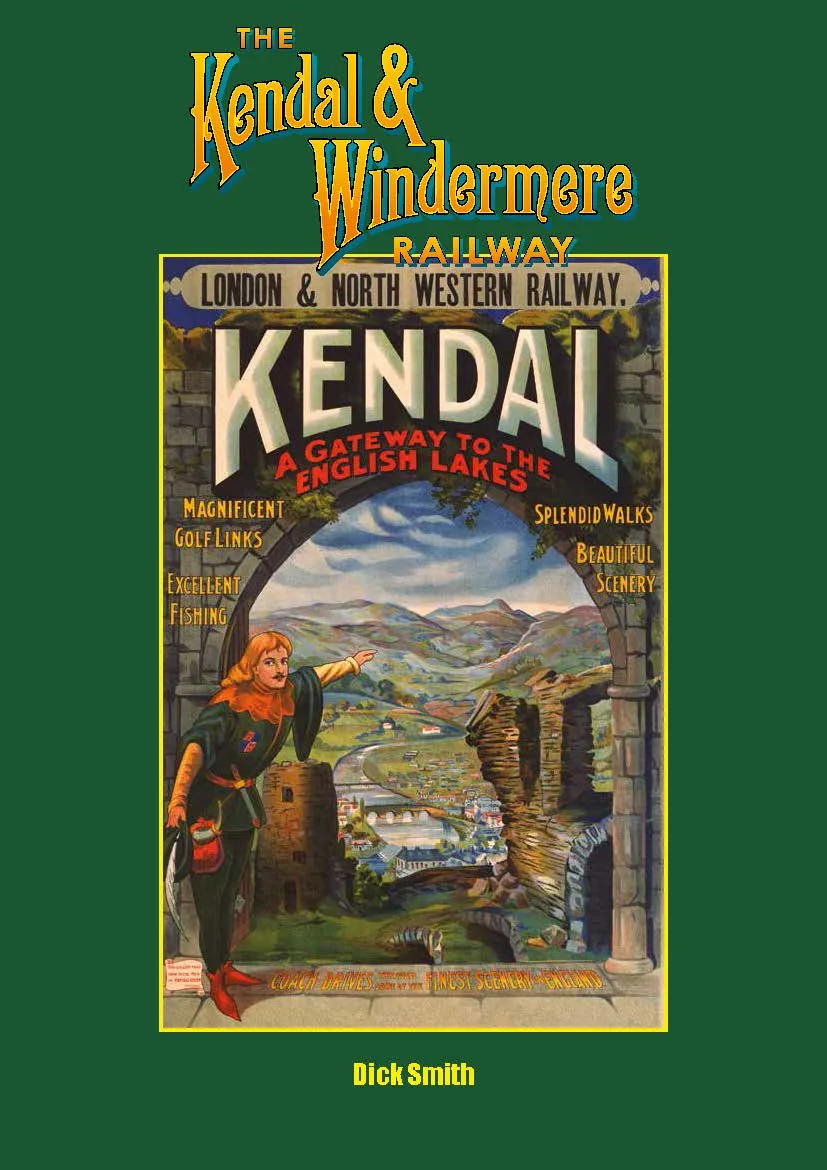
  • The Kendal & Windermere Railway

    The Kendal & Windermere Railway

    Second Edition by Dick Smith

    To coincide with the 175th. Anniversary of the completion of the line from Oxenholme to Windermere, author Dick Smith has written a second and much enlarged edition of his original book telling the history of the Kendal and Windermere Railway.

    Published by the Cumbrian Railways Association, this second edition includes a new introductory chapter: ‘The world the Railway changed’, and two other new chapters.

    One deals with the succession of proposals to extend the railway beyond its present terminus at Windermere, the other looks at the railway connections with Croppers paper mills in the Burneside area.

    The book is richly illustrated using photos from the CRA and other archives. These photographs, several not published before, show many of the different types of traction and the variety of liveries seen over the years.

    The book also includes specially drawn detailed signalling diagrams of the Windermere branch in the years before it was reduced to a single track.

    104 pages
    Laminated card cover
    Illustrated
    ISBN 978-1-914248-00-9


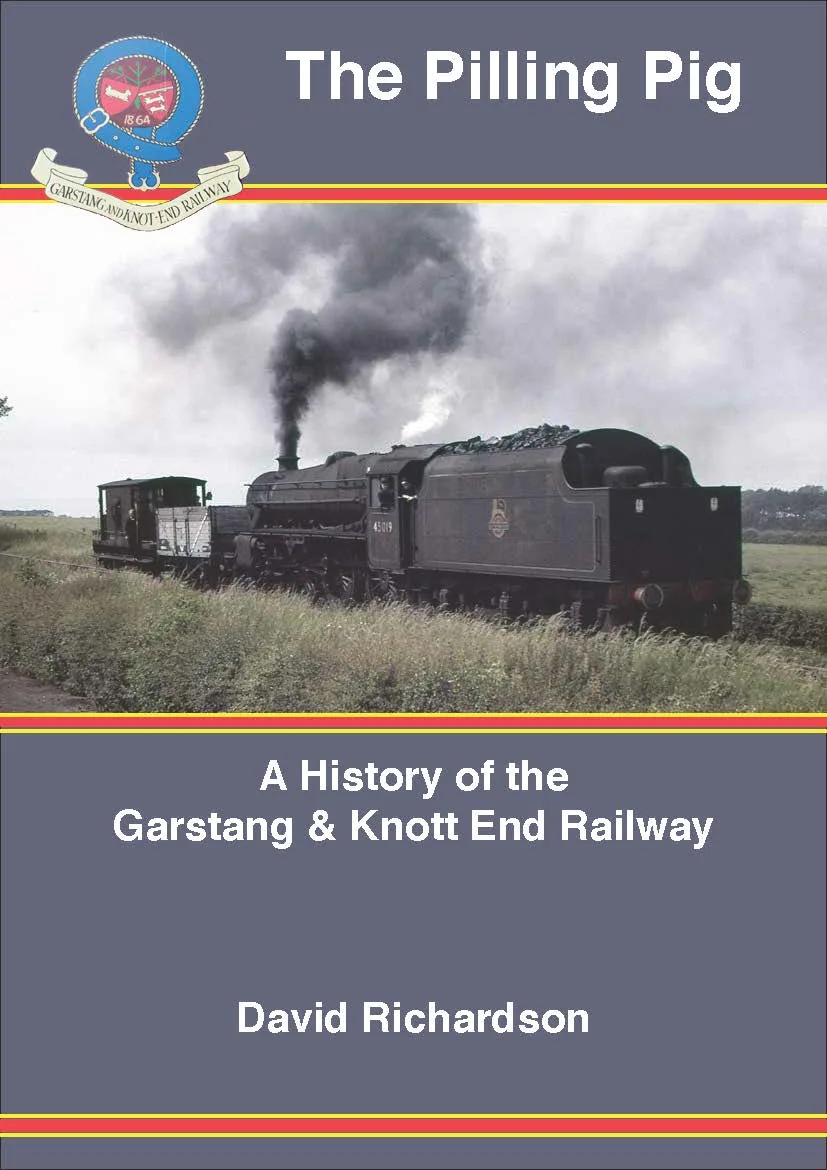
  • The Pilling Pig

    The Pilling Pig

    The Garstang and Knott End Railway by Dave Richardson

    For this book we see the CRA moving out of Cumbria (if only slightly!) to turn its attention to the Garstang to Knott End branch.

    The book covers the whole history of this charismatic little line, from its independent days under the GKER and later the KER, through to the Grouping and then onward to nationalisation and up to closure of the final section in 1965.

    There are numerous illustrations, with a wide range of maps showing the development of the stations, together with drawings of a selection of structures.

    There are also many hitherto unpublished photographs of the line from a wide range of sources. As well as covering the general history of the railway, there are separate detailed chapters on the infrastructure and signalling, the goods and passenger services, the locomotives and rolling stock and finally the Preesall salt industry.

    112 pages
    Laminated card cover
    Illustrated
    ISBN 978-0-957-0387-6-9


  • The Ulverstone & Lancaster Railway

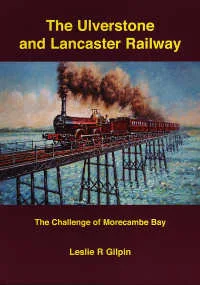
    The Ulverstone & Lancaster Railway

    The challenge of Morecambe Bay by Leslie R. Gilpin

    Morecambe Bay has presented a transport challenge since the earliest times. Apart from the rivers flowing into it, the Bay becomes almost a sandy desert at low tides. Thus access in early times was both by ship and road, along well trodden cross-bay routes. Men have tried to tame it by trying to claim the land for agriculture with roads or railways across its embankments.

    In this book written by Furness Railway enthusiast and former CRA Chairman, Les Gilpin, we learn of those early methods of communication and how they helped shape the communities around Morecambe Bay. The author explains how attempts both great and small were made to claim the land from the sea and how this was seen as a way of subsidising the construction of the railways.  We see how these first proposals were for lines of potential national importance and how they were tempered to the railway we know today from Carnforth to Ulverstone, around the edge of the Bay. The author also explains how the railway led to the exploitation of limestone in the area, together with the development of other industries, especially around Ulverstone.

    This book will appeal equally to the railway enthusiast, local historian, industrial archaeologist and those interested in Morecambe Bay. It is well illustrated throughout with photographs, drawings and plans.

    96 pages
    Laminated cover
    87 illustrations