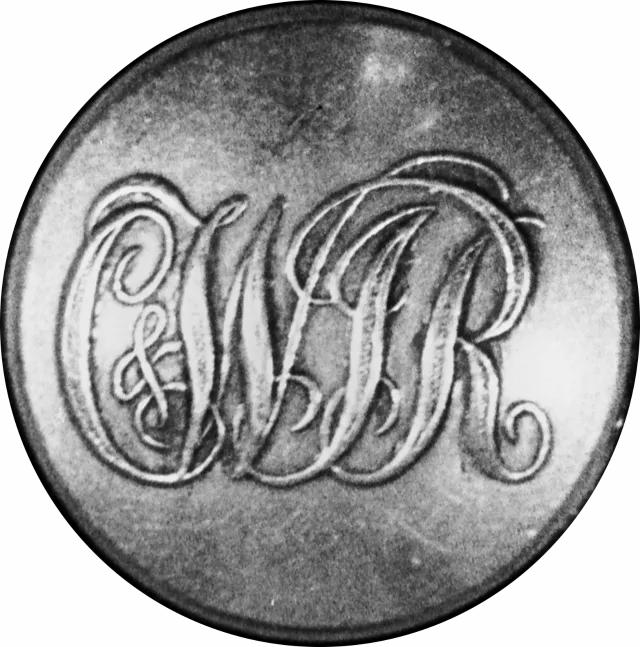
• Cleator & Workington Junction Railway Minutes

    Cleator & Workington Junction Railway Minutes

    A PDF of information relating to the Cleator & Workington Junction Railway.  This PDF contains original files from The National Archive of minutes of the railway and the Joint Committee that was formed between them and their near neighbour, the Furness Railway.  The latter company had powers to operate the main line trains of the C&WJR who in turn operated the branches of the main system.

    Also involved in the operation of the mineral lines in West Cumberland was the ‘Joint Line’ which was operated jointly between the Furness and the London & North Western Railways.  This railway had started life as the independent Whitehaven, Cleator & Egremont Railway before it was jointly acquired in 1878.

    To further complicate matters, there was also a tripartite agreement between the three companies mentioned above, though this grouping was mainly concerned with setting rates and tariffs for their traffic as well as for other local railways.

    The file comprises:

    C&WJR Board, Committee and General Meeting Minutes 1876 – 1923

    Transcription of the above Minutes (searchable by key word)

    C&WJR & FR Joint Committee Meetings (also with transcription)

    C&WJR Staff Records from the staff register of Traffic department 1879-1923. (These records are in their original form and have not been transcribed)
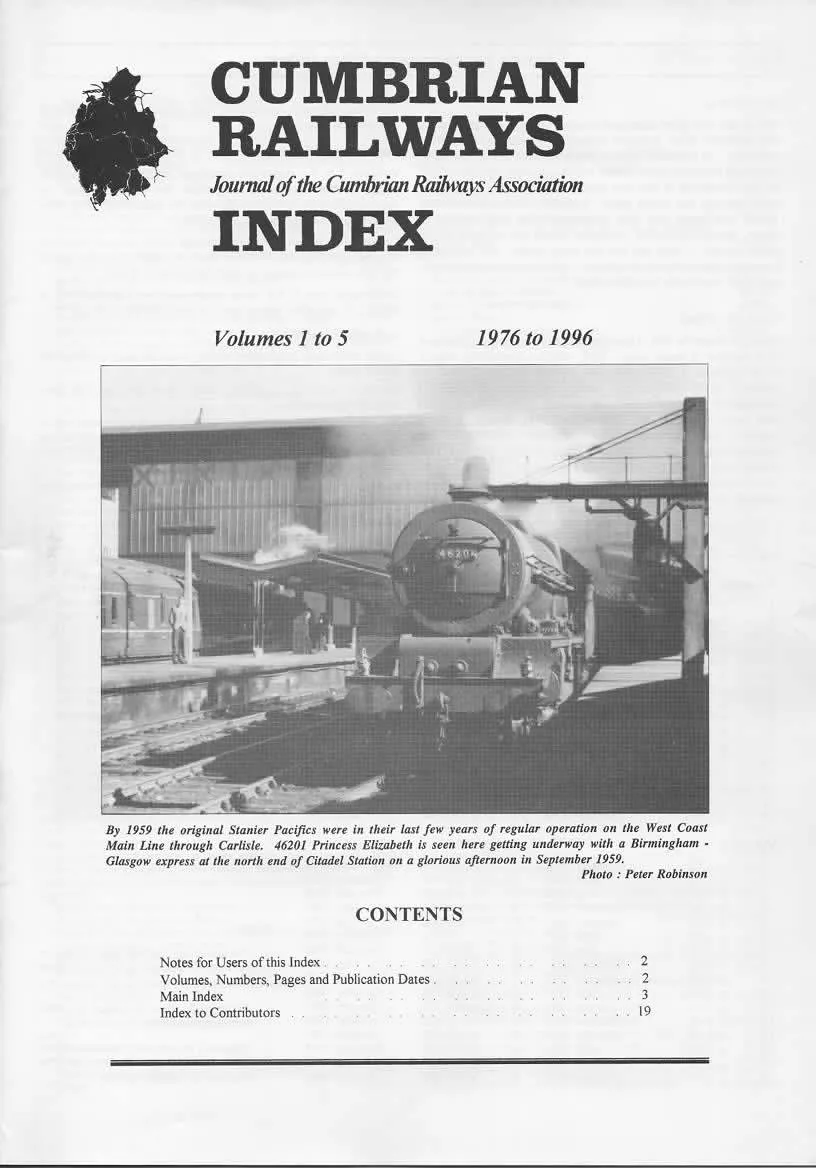
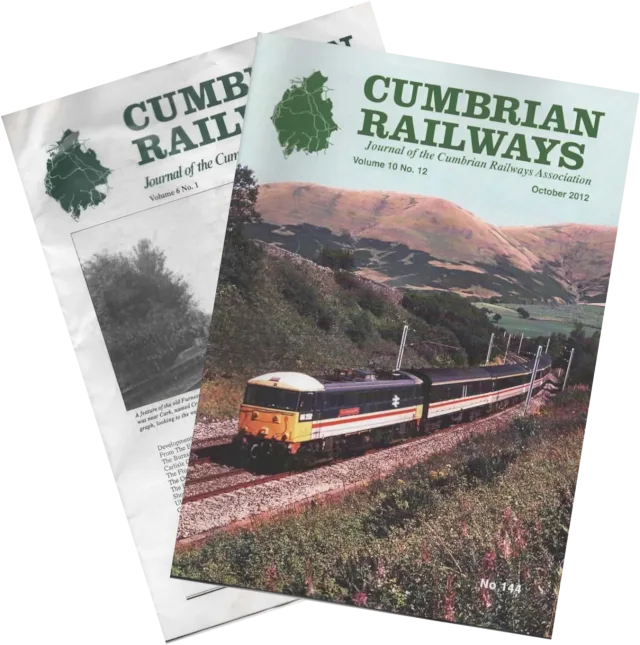
  • Cumbrian Railways Volumes 1 to 5

    Cumbrian Railways Volumes 1 to 5

    These are collections of the CRA’s own Journal – Cumbrian Railways in PDF format.  Volumes 1 to 5 cover the period from inception in 1976 to 1996. Volumes 6 to 10 cover 1997 to 2012.  These Journals are a valuable source of study of the railways of Cumbria over the first thirty-six years of the Association.  The download is a single PDF containing every issue across the 5 volumes. The final issue in each volume also includes an index for the whole volume.
    Over this period, a number of milestone articles have been published, together with some very fine examples of first-hand railway research on railways in Cumbria or in the areas adjoining Cumbria. It is understandable that the early copies vary in quality; this is entirely due to the methods of reproduction used at the time. Later volumes are professionally printed and are increasingly better illustrated, a number of these images coming from the ever-growing CRA archives.

    Even though you might have some or all of these issues as hard copies, the fact that they can be searched using key words is an invaluable asset, vital to have on hand for quick reference.

  • Cumbrian Railways Volumes 6 to 10

    Cumbrian Railways Volumes 6 to 10

    These are collections of the CRA’s own Journal – Cumbrian Railways in PDF format.  Volumes 1 to 5 cover the period from inception in 1976 to 1996. Volumes 6 to 10 cover 1997 to 2012.  These Journals are a valuable source of study of the railways of Cumbria over the first thirty-six years of the Association.  The download is a single PDF containing every issue across 5 volumes. The final issue in each volume also includes an index for the whole volume.
    Over this period, a number of milestone articles have been published, together with some very fine examples of first-hand railway research on railways in Cumbria or in the areas adjoining Cumbria. It is understandable that the early copies vary in quality; this is entirely due to the methods of reproduction used at the time. Later volumes are professionally printed and are increasingly better illustrated, a number of these images coming from the ever-growing CRA archives.

    Even though you might have some or all of these issues as hard copies, the fact that they can be searched using key words is an invaluable asset, vital to have on hand for quick reference.

  • Furness Railway Magazine 1921 to 1923

    Furness Railway Magazine 1921 to 1923

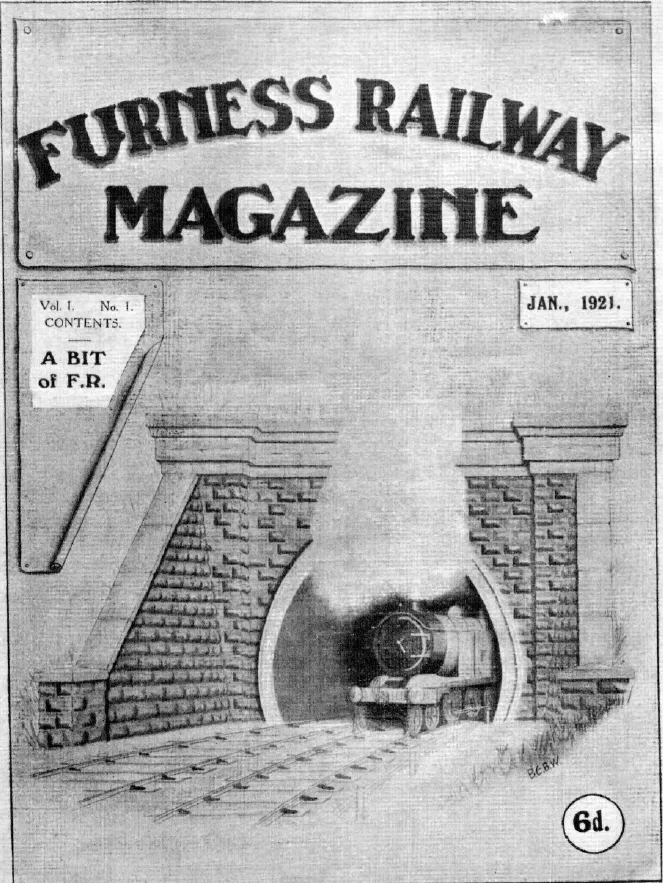
    This file contains the full set of The Furness Railway Magazine, published between 1921 and 1923. Only three volumes of this staff magazine were published and the last one appeared after grouping. An index to articles is also included.
    The material in the file can be searched for specific key words.

  • Railwaymen Of Cumbria Remembered

    Railwaymen Of Cumbria Remembered

    By Peter Robinson
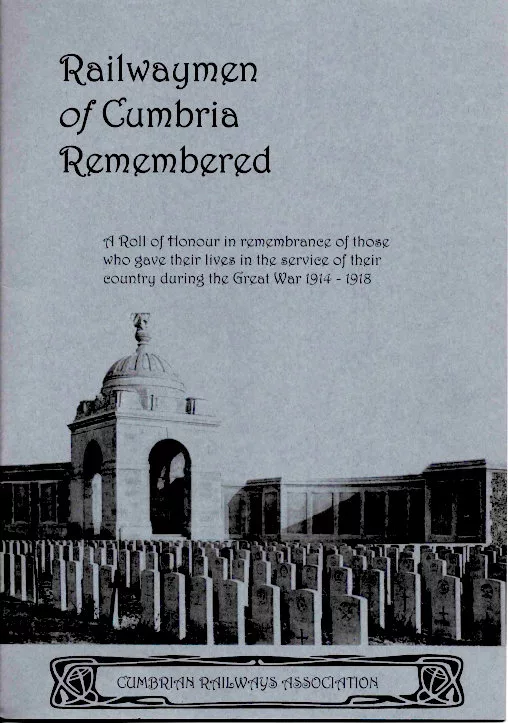
    A Roll of Honour in remembrance of those who gave their lives in the service of their country during the Great War 1914-1918

    Published to commemorate the 90th anniversary of the Armistice which brought an end to World War I on November 11th 1918.

    A carefully researched and beautifully designed tribute to the 231 railwaymen of Cumbria who died in this terrible conflict with details of unit served in, date of death and location of burial, plus some personal details where available. Also included is information about the railway war memorials upon which the men are commemorated and the stories of the unveiling of those at Barrow and Maryport, and of the Memorial service held at Carlisle Cathedral on 14th May 1919.

    “simple but beautifully produced . . . the use of art nouveau printers embellishments adds a certain period charm to this attractive and reasonably priced book.” Cumbria Local History Federation Bulletin.

    48 pages
    Illustrated

    Out of print – Only available as a digital download.

  • Railways at War

    Railways at War

    By John M Hammond

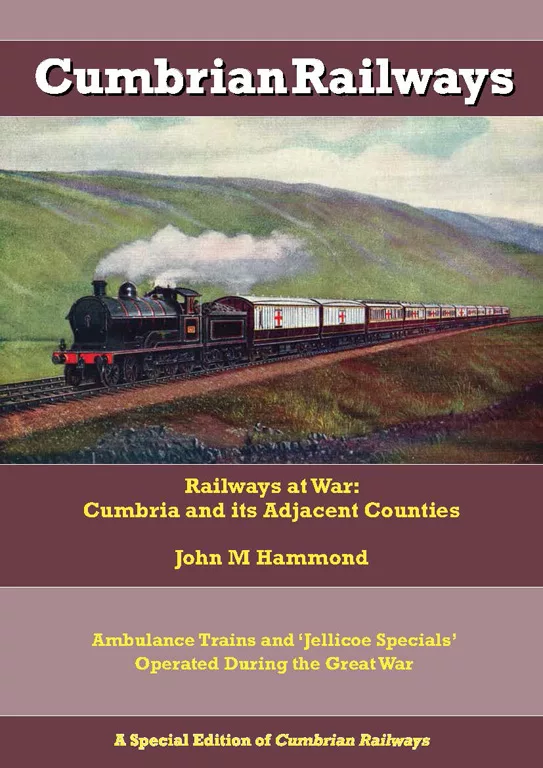
    Ambulance Trains and ‘Jellicoe Specials’ Operated During the Great War

    It is something of an enigma that two of the most important and frequent types of traffic that ran continuously throughout the Great War were also two of the most elusive and difficult to quantify accurately in detail, particularly as far as Northern England and Scotland are concerned.  Our Journal Special Edition provides an interesting perspective on how the railway companies responded to the increasing demand for handling the flood of casualties and transporting steam coal to fill the bunkers of the Grand Fleet.  These tasks achieved against a background of dwindling manpower and deterioration of rolling stock, locomotives and infrastructure.

    64 pages, 63 photographs, 6 maps; A4
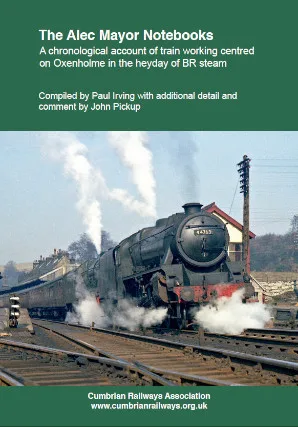
  • The Alec Mayor Notebooks

    The Alec Mayor Notebooks

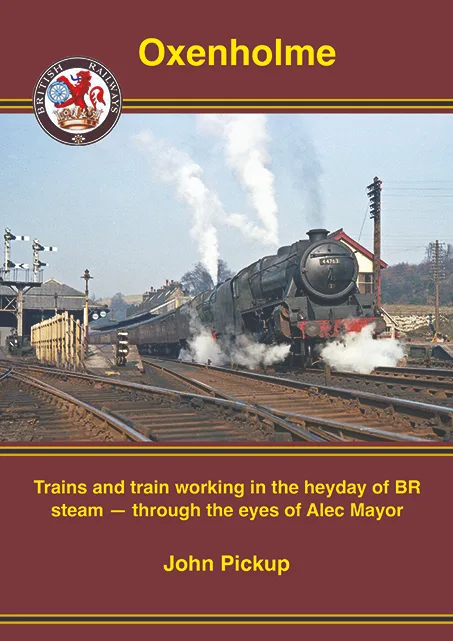
    Compiled by Paul Irving and edited, with some additional detail and comments, by John Pickup.

    EDITOR’S NOTES

    Paul Irving’s compilation of Alec Mayor’s notebooks, painstakingly assembled over several years, is a tour-de-force by any standards. Drawing on both his personal experience as a career railwayman and one-time Carlisle train and traffic controller, and on his collection of Working Timetables, Paul has woven dry, highly abbreviated, but unique and detailed hand-written notes into a narrative full of insights into the way the railway really ran. In editing these notes, thanks to current sources not available to Paul, such as BRDatabase and the Irwell Press ‘Book of’ series, I have been able to add loco allocations into each daily record which hopefully provides further insight into how things worked and what was going on. Otherwise, I have tried only to clarify Paul’s text where necessary. Where there were significant uncertainties or possible confusions, I have added comments as highlighted footnotes so they can be considered against Paul’s original words.

    I am well aware though that while Alec’s notes and Paul’s interpretation have certainly been diligently assembled, there is on occasion conflicting information available elsewhere about which loco hauled which train for example, not least in Chris Coates’s similarly diligent West Coast Sightings Sheets. Where the weight of evidence clearly supported one account rather than another, I have made an appropriate adjustment, but where there is no obviously correct answer I have generally stayed with Alec and Paul’s original. To the extent I have made wrong choices, those shortcomings must be down to me.

    As this text is being published electronically, there is the possibility of making revisions if sufficient new evidence comes to light.

    It has been a privilege as well as a pleasure to have helped bring Alec and Paul’s work to be published. I only hope that delving into the wealth of detail will provide similar pleasure to the reader.

    John Pickup, April 2023

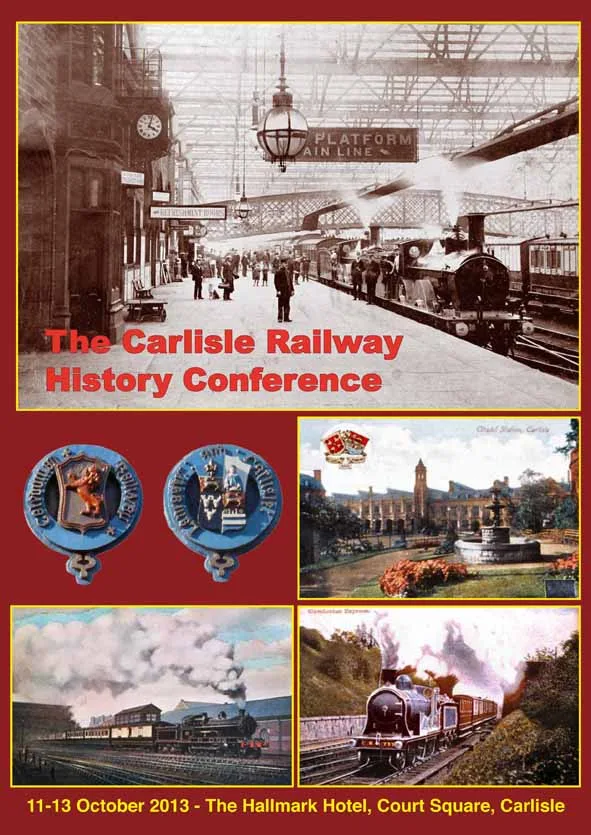
  • The Carlisle Railway History Conference

    The Carlisle Railway History Conference

    Sorry, but only logged in CRA Members have permission to view this content.  If you are a member, log in.  If you are not a member, why not join us?

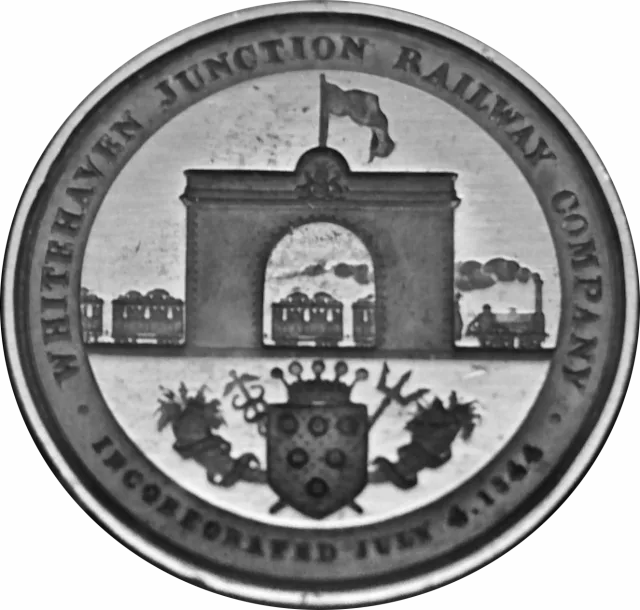
  • Whitehaven Junction and Whitehaven & Furness Junction Railway Rule Book

    Whitehaven Junction and Whitehaven & Furness Junction Railway Rule Book

    A purchase for the CRA Archive has been a copy of the Rules and Regulations used jointly by the two companies. Our Archivist, Guy Wilson, has scanned the contents of the book and we can now offer copies of it to members. It contains a lot of detail on the day-to-day operations of the railway and repeatedly and sternly reminds its employees of their obligations under the law. The copy we have is dated July 1857 and covers the duties of all the employees of the companies.

    Below are a few of the rules and regulations included in the book:

    “6. The conduct of every Servant is expected to be firm in the execution of his duty; at the same time he must be prompt, civil, courteous and obliging to the public, and invariably give his name when requested.

    10. Every Servant must appear on duty clean; and when uniform is provided it must be kept and used with care, and any damage must be repaired at the wearer’s expense. On. leaving the service he will be required to deliver up to his superior Officer the uniform and every other article supplied by the Company. Every Servant of the Company who has uniform is required to wear it while on duty.

    16. Engine-drivers, Stokers, Guards, Pointsmen, Porters, and Gatemen are recommended to insure, in the Railway Passengers’ Assurance Company, against the risks of accident while in the execution of their duty, and the Company will pay half the annual premium. [This advice was given to the author on his joining London Transport in the late 60s and who was concerned that it would seem the company was not entirely confident in its own services]

    79. Before the Engine starts the Engine driver is required to ascertain that the Engine is in complete working order, the Tender amply supplied with water, coke, and a sufficient quantity of oil and tallow, and that the following tools and articles are with the Engine, for which the Driver will be held responsible :-
    A complete set of screw keys, a large and small monkey wrench, three cold chisels, a hand hammer, a sledge hammer, a crow bar, a screw-jack clean and well oiled, two short coupling chains, with hooks, a gauge lamp, a hand signal lamp, three engine lamps, large and small oil cans, a quantity of flax, spun yarn, and twine, grease, salt, and sand, plug-rod plugs for tubes, and two firebuckets, complete set of fireman’s tools, a red flag and twelve detonating signals.

    The Rule Book is available in PDF format as a download